Saturday, March 28, 2009

Blog 14: Allergies

Perhaps it's because I have it too, which explains why I dislike talking about allergies. My eyes water, even when I'm not sad, which makes me sad. My nose itches a whole bunch, and I start dripping mucus out of them like I was melting on the inside. Plus, the sneezing makes others think I'm sick, when in reality I'm not.
Allergies are an over exaggerated response to substances that would not have caused such responses in people with normal circumstances. It is an immediate response and often referred to as hypersensitivity. When the allergens enter the system, huge amounts of white blood cells called masts cells are formed on site, resulting in an extreme inflammatory response. Symptoms range from, but are not limited to: allergic conjunctivitis, itchiness and runny nose.
Allergens that are airborne cause the symptoms when they reach the eyes, nose, and lungs. Breathing in allergens can also lead to asthmatic symptoms, due to constricting airways and overproduction of mucus. Aside from airborne allergens, those from food or insects can cause symptoms like nausea, diarrhea, and vomiting.

Blog 13: The Mechanisms that Control Breathing

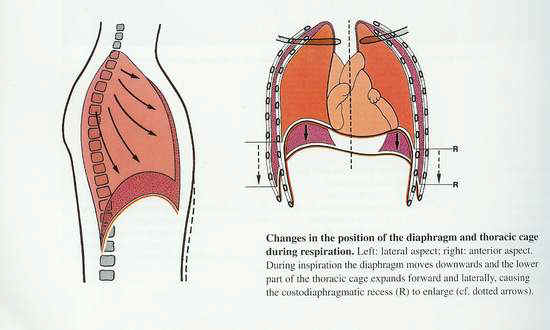
There are several mechanisms that control breathing. The brain, the diaphragm, as well as air pressure play roles in the regulation of breathing. Our breathing is a involuntary action. The brain regulates how much air our body needs to stay in homeostasis. Factors like physical, emotional, or chemicals all affect the breath rate. When one is scared, or in the flight module of the fight or flight concept, chemicals are released in the body, such as adrenaline. Breathing becomes faster, more shallow, to allow more oxygen intake at a higher rate to maintain the high alertness of the sensory components. The diaphragm is a dividing tissue that is located just under the lungs. When someone breathes, the diaphragm either goes up (contracting), or down (stretching). When we breathe in, the diaphragm moves down, to increase the volume of the lungs, allowing more air to come in. When we breathe out, the diaphragm moves up, making less room for the lungs. Air pressure plays a role in the exhalation process. When we breathe in a lot of air, our lungs have more air pressure than the air does outside the body. Because of this, the air will move from the highest pressured area to the lower one. Thus, we breathe out, which doesn't require as much effort as breathing in.


Saturday, March 7, 2009

Blog 12: Emergence and Re-emergence

What worried me most from the movie was the fact that so many diseases out there can easily form immunity to any kind of treatment just because one disease transfers a plasmid containing immunity to another strain. What really surprised me was the fact that this was most dominant in hospital, where people go to get treated, not infected by even more dangerous bacteria. I really hope that scientists will be able to keep the foothold they have with antibiotics and stay a step ahead of diseases. I hope that people will become educated enough to know how to keep themselves from catching these strains as well as keeping up with taking their medications. It's human fallibility that allows these strains to overcome our bodies. From watching this video, I am glad that I never got exposed, but also wished that I did in a small way so I could have a continuous building immunity against most of these strains.

Blog 11: Fascination

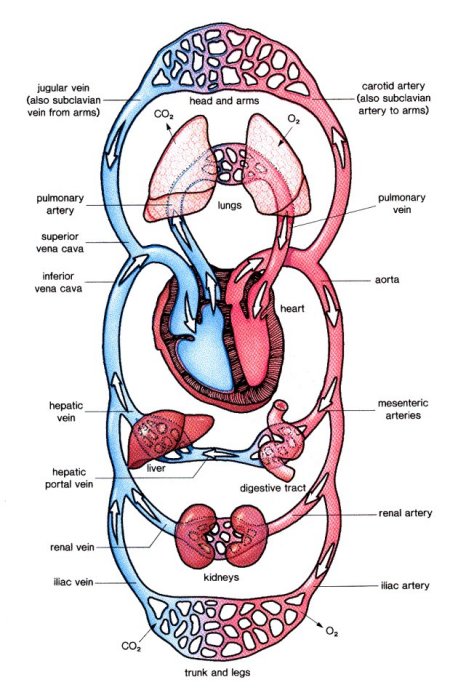
The cardiovascular (circulatory) system is amazing. I'm fascinated with the on-point sync and rhythm of the heart and how the body is fueled by the amazing life-source. From the point that the heart pumps due to self-charged centers called nodes to the point where oxygen is given to organs through capillary beds, the cardiovascular system is a wonder. At our lungs, the oxygen is carried by RBCs to the heart again, which pumps it to every vital and non-vital organ in the body. And the way the veins are constructed to carry blood back to the heart is an amazing feat for our bodies. It's a never ending cycle for the heart to keep pumping precious oxygenated blood to our brain, our muscles, etc. And how it is linked to every other system is another example to how amazing this system is.