Quite fascinating. I was glued to the screen as the scientist removed the parts of the human body. The feat of having plasticized the body was great enough, but able to bring out bodily organs like that... was just amazing. I learned more about the form of the organs and how they all fit into the body's frame. I was amazed at how much tubing each gender has in their body, and how it all works in sync every day, every second of the day. And when procreation is the goal, I was shocked that so many parts of the body had to work together just to move the sperm along. The processes were immense and complicated in some parts, but it was to execute a mainly simple thing, which was ejaculation. Our bodies are so fascinating because they are formed to fit and complement each other. Amazing.
Thursday, May 28, 2009
Blog 20 Male and Female Dissection
Quite fascinating. I was glued to the screen as the scientist removed the parts of the human body. The feat of having plasticized the body was great enough, but able to bring out bodily organs like that... was just amazing. I learned more about the form of the organs and how they all fit into the body's frame. I was amazed at how much tubing each gender has in their body, and how it all works in sync every day, every second of the day. And when procreation is the goal, I was shocked that so many parts of the body had to work together just to move the sperm along. The processes were immense and complicated in some parts, but it was to execute a mainly simple thing, which was ejaculation. Our bodies are so fascinating because they are formed to fit and complement each other. Amazing.
Blog 19 Urine... As a Diagnostic Tool
Urine is a powerful indicator of the status and well-being of the body. Urine is the vehicle on which most of our toxins and other wastes are removed from the inside of our body. In many cases, urine will point out the blood sugar levels in the person, indicative of diabetes or not. Toxins that can end up in urine can point out too much (usually), or too little (less usual) of a certain substance in the body. The color, smell, and amount of urine all point to whether or not the person is healthy.
Wednesday, May 27, 2009
Blog 18 Fetal Pig Dissection
I personally don't like dissections. I hope I don't freak out when I'm a dentist. Hopefully I will gain a better stomach for such things.
I thought the pig dissection was really nice and fundamentally educational. I just didnt like the smell that much. The step by step instructions and the way the body of the pig just falls out piece by piece is very... awe-inspiring. I liked how we could get all of the insides out in the end, and have measurements of all the parts too. It was... bio heaven. The digestive tract was the most impressive part, because we had to be delicate and careful when removing it and when we were measuring it.
Sadly, there is no protection against the smell of decaying bodies of little pigs...
the pic is by Jonathan Haynes
Blog 17 What We Learned about the D.S. from the Video
The digestive system is quite simple and straightforward, but its many components and parts add to its profound complexity. The whole system is a bodily miracle/feat that allows the body to survive through many facets of its design and function.
Starting from our oral cavity, food is taken in and already begins to be broken down by the saliva and other peptides. Down the pharynx the bolus travels by peristalsis. In the stomach, bile and other enzymes that are released primarily from the pancreas help break down the various kinds of foods being digested.
Into the small intestine via the pylorus sphincter the chyme travels. The peptides and other enzymes that break down the carbs and fats will allow the microvilli along the walls of the small intestine to carry nutrients away from the tract. The whole tract, including the small, and large intestines, with the stomach, and the throat, all amounts to about 3 table lengths, even longer when completely unraveled and stretched out.
After the small intestine, the remaining by products are moved into the large intestine, where water reabsorption is largely conducted, and then finally excreted from the body.
Blog 16 How to Protect Your Digestion
Your digestive organs are key to maintaining a functioning body. If the digestive organs are impaired in any way, there are consequences that can ultimately lead to death, if not severe pains. Eating foods that are of a variety in the pH scale will balance out the bile needed and therefore have less acidity inside the stomach. Too much acidity commonly leads to ulcers and heart burn. Chewing your food completely will allow better digestion, so the food does not need more acids to break down.
Aside from eating, cooking the food is a big must. Bacteria inside uncooked foods can infect and damage the organs, sometimes to the point of no return. It is best to make sure the food is cooked properly so that food poisoning does not occur. Better yet, buy organic and foods that are fresh, to lower the chances of catching something nasty.
Blog 15 Protection Against Infectious Diseases
We are all prone to infectious diseases. But by maintaining good hygiene and boosting the immune system we can hold off feeling the full effects of being infected/sick. Bacterial diseases travel by contact and are airborne. By washing your hands after touching something you believe could be a carrier for the bacteria will dramatically lower the risk of catching the disease. Stay away from others who are sick (quarantine), and that can lower the chances of getting sick too. Eating healthy foods that boost the immune system will improve your health and lower the chances of catching the disease.
Viruses are harder to protect against. Like bacterial infections, it is best to reduce contact with those who have it. Keeping good hygiene and eating foods that boost the immune system are key to good health and staying that way. Staying away from strenuous activities or situations will also allow the body to recuperate and heal. Sleeping will let the body rest and continue the fight against the disease.
Saturday, March 28, 2009
Blog 14: Allergies
Perhaps it's because I have it too, which explains why I dislike talking about allergies. My eyes water, even when I'm not sad, which makes me sad. My nose itches a whole bunch, and I start dripping mucus out of them like I was melting on the inside. Plus, the sneezing makes others think I'm sick, when in reality I'm not.
Allergies are an over exaggerated response to substances that would not have caused such responses in people with normal circumstances. It is an immediate response and often referred to as hypersensitivity. When the allergens enter the system, huge amounts of white blood cells called masts cells are formed on site, resulting in an extreme inflammatory response. Symptoms range from, but are not limited to: allergic conjunctivitis, itchiness and runny nose.
Allergens that are airborne cause the symptoms when they reach the eyes, nose, and lungs. Breathing in allergens can also lead to asthmatic symptoms, due to constricting airways and overproduction of mucus. Aside from airborne allergens, those from food or insects can cause symptoms like nausea, diarrhea, and vomiting.
Allergies are an over exaggerated response to substances that would not have caused such responses in people with normal circumstances. It is an immediate response and often referred to as hypersensitivity. When the allergens enter the system, huge amounts of white blood cells called masts cells are formed on site, resulting in an extreme inflammatory response. Symptoms range from, but are not limited to: allergic conjunctivitis, itchiness and runny nose.
Allergens that are airborne cause the symptoms when they reach the eyes, nose, and lungs. Breathing in allergens can also lead to asthmatic symptoms, due to constricting airways and overproduction of mucus. Aside from airborne allergens, those from food or insects can cause symptoms like nausea, diarrhea, and vomiting.
Blog 13: The Mechanisms that Control Breathing
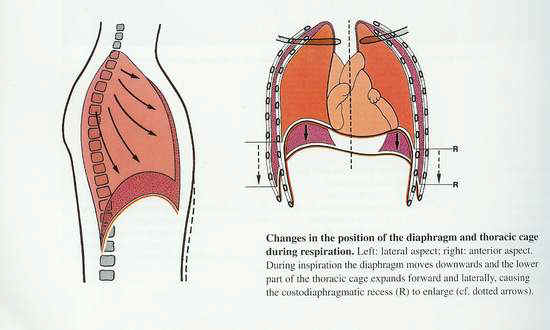
There are several mechanisms that control breathing. The brain, the diaphragm, as well as air pressure play roles in the regulation of breathing. Our breathing is a involuntary action. The brain regulates how much air our body needs to stay in homeostasis. Factors like physical, emotional, or chemicals all affect the breath rate. When one is scared, or in the flight module of the fight or flight concept, chemicals are released in the body, such as adrenaline. Breathing becomes faster, more shallow, to allow more oxygen intake at a higher rate to maintain the high alertness of the sensory components. The diaphragm is a dividing tissue that is located just under the lungs. When someone breathes, the diaphragm either goes up (contracting), or down (stretching). When we breathe in, the diaphragm moves down, to increase the volume of the lungs, allowing more air to come in. When we breathe out, the diaphragm moves up, making less room for the lungs. Air pressure plays a role in the exhalation process. When we breathe in a lot of air, our lungs have more air pressure than the air does outside the body. Because of this, the air will move from the highest pressured area to the lower one. Thus, we breathe out, which doesn't require as much effort as breathing in.
Saturday, March 7, 2009
Blog 12: Emergence and Re-emergence
What worried me most from the movie was the fact that so many diseases out there can easily form immunity to any kind of treatment just because one disease transfers a plasmid containing immunity to another strain. What really surprised me was the fact that this was most dominant in hospital, where people go to get treated, not infected by even more dangerous bacteria. I really hope that scientists will be able to keep the foothold they have with antibiotics and stay a step ahead of diseases. I hope that people will become educated enough to know how to keep themselves from catching these strains as well as keeping up with taking their medications. It's human fallibility that allows these strains to overcome our bodies. From watching this video, I am glad that I never got exposed, but also wished that I did in a small way so I could have a continuous building immunity against most of these strains.
Blog 11: Fascination
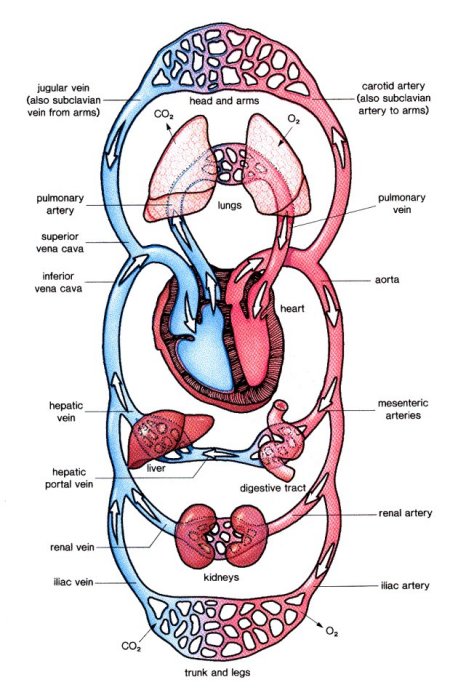
The cardiovascular (circulatory) system is amazing. I'm fascinated with the on-point sync and rhythm of the heart and how the body is fueled by the amazing life-source. From the point that the heart pumps due to self-charged centers called nodes to the point where oxygen is given to organs through capillary beds, the cardiovascular system is a wonder. At our lungs, the oxygen is carried by RBCs to the heart again, which pumps it to every vital and non-vital organ in the body. And the way the veins are constructed to carry blood back to the heart is an amazing feat for our bodies. It's a never ending cycle for the heart to keep pumping precious oxygenated blood to our brain, our muscles, etc. And how it is linked to every other system is another example to how amazing this system is.
Monday, February 9, 2009
Blog 10 My Fitness Plan
So far, I believe I am keeping within my diet and exercising enough. My weight should most likely remain stable, unless I do some more strenuous exercising with increased caloric intake with more protein as well. This would prompt more muscle formation. I really hope the cold weather leaves; the dreary gray light makes me sleepy and not very keen on exercising, especially in the house. The foods I get are all pretty high in protein, and not too much in carbs (enough so have energy to exercise). All I need to do is stick with my 6th meal, which I have been neglecting for most of the time. Hope I weigh a bit more by the end of the month!
I should stop air drumming... waste of carbs.
Subscribe to:
Posts (Atom)